Why Are Good Solicitors Essential for Protecting Human Rights?
Why Are Good Solicitors Essential for Protecting Human Rights?
What would you do if you were dismissed or fired a week after raising a complaint? Or kept apart from your children? Or told you that you could no longer stay in the country you call home? Most people feel helpless. The letters pile up, your mind races, and nobody seems to explain what happens next. That's where protecting human rights comes in – it gives you somewhere to turn when that happens.
But you don’t have to figure it out alone. The real question is what you should do in that situation and how you can resolve it fairly. That’s where legal solicitors come in. They explain where you stand, challenge unfair decisions and speak up when you can’t. Their work in protecting human rights reaches much further than a single case.
Their influence can stretch across borders, too. On 9 October 2026, the Norwegian Nobel Committee awarded the Peace Prize to Navi Pillay, a South African lawyer, for her efforts to promote peace and international law.
In this guide, we will discover how a solicitor can help you and people across the world to protect human rights and build a peaceful community. So how can one solicitor’s work change a life and even a society?
Why Are Human Rights Essential for a Peaceful and Fair World?
Human rights are the basic protections every person holds, whatever their nationality, faith or background. They cover safety, equality, a fair hearing and the freedom to speak. When people trust these protections are real, they tend to settle disputes in courts and tribunals instead of on the street.
What Are Human Rights and Why Should Everyone Be Protected?
After the Second World War, the United Nations agreed to the Universal Declaration of Human Rights in 1948 to build that foundation for the whole world. In the UK, the Human Rights Act 1998 and the Equality Act 2010 turn those big ideas into rights you can use. Think of the right to life, a fair trial, private and family life, freedom of expression and freedom from discrimination.
Why protect everyone, not just some people? Because rights that depend on who you are stop being rights. They become favours.
How Does Protecting Human Rights Help Prevent Conflict and Discrimination?
Inequality is slow-burning. A community that's shut out of jobs, housing or justice doesn't forget it. Resentment builds, then division, then sometimes violence. When people can challenge a bad decision through a lawful route, the pressure has somewhere peaceful to go.
That's the quiet power of a working legal system. It gives anger a process.
What Happens When Human Rights Are Ignored or Violated?
A lot of damage, and much of it goes unseen. A bullied worker stays silent because the rent is due. A parent drifts away from a child because nobody explained the process. A family is forced to leave home with nowhere safe to go. Multiply these stories across a country, and trust in public institutions starts to wear thin.
Why Can Lasting World Peace Not Exist Without Justice and Equality?
Peace isn't just the absence of war. It's what grows when people feel treated fairly, when people who break the law face consequences and when disputes get settled without threats. Fair institutions matter here, and so does respect between communities.
Protecting human rights can't prevent every conflict. What it can do is tackle some of the conditions that let conflict grow.
Who is Navi Pillay, and How Did She Help Advance Human Rights?
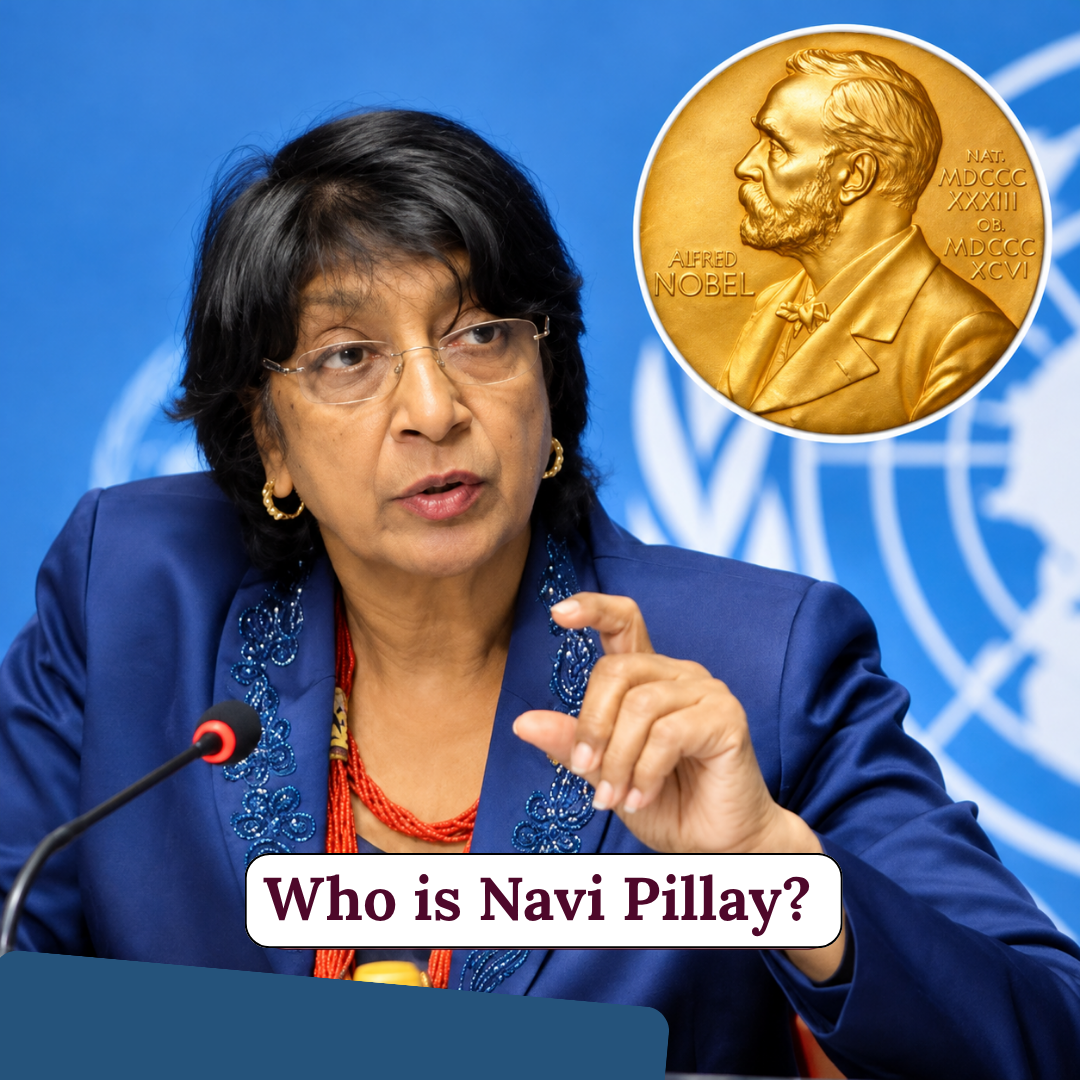
Navanethem “Navi” Pillayis a South African jurist who served as the United Nations High Commissioner for Human Rights. She won the 2026 Nobel Peace Prize. She began her legal career in a small law practice in Durban, at a time when the system around her was built to deny people like her an equal voice. Decades later, she was presiding over international courts and leading the United Nations’ human rights work. How does anyone travel that far? On 9 October 2026, the Norwegian Nobel Committee announced that she’d won the Peace Prize for her efforts to promote peace and international law. Her story shows how a legal career can stretch well beyond a single case. It also raises a bigger question: what happens when lawyers choose to stand up for people who have no one else to speak for them?
How Did Navi Pillay Challenge Apartheid and Defend Human Rights in South Africa?
Pillay was born in Durban in 1941 and grew up under racial segregation, which carved up daily life by race. She fought for her rights and became a lawyer, worked as an attorney and later opened her own law firm in Natal. She became the first woman to do so in her home province of Natal. She defended anti-apartheid activists and worked to secure legal access for political prisoners, at a time when doing so carried real risk.
Her early work rested on a simple belief.
Everyone deserves equal protection under the law.
How Did Her Work at International Courts Help Strengthen Justice?
Pillay served as a judge and later president of the International Criminal Tribunal for Rwanda. Its 1998 Akayesu judgment became a landmark, recognising that rape can amount to an act of genocide and a crime against humanity in the right legal circumstances. She later sat as a judge at the International Criminal Court.
That shift in the law mattered to survivors. For decades, sexual violence in war had too often been treated as a regrettable by-product rather than a prosecutable crime.
How Did Navi Pillay Promote Human Rights Through the United Nations?
From 2008 to 2014, she served as the UN High Commissioner for Human Rights. The job meant speaking plainly about abuses, pressing governments to uphold their obligations and defending the idea that rights are universal. It rarely made her popular with the powerful, which is rather the point of the role.
Why Did Navi Pillay Win the 2026 Nobel Peace Prize?
The Norwegian Nobel Committee recognised her efforts to promote peace and international law. But what does that actually mean? It means a lawyer spent decades proving that justice isn’t a privilege for peaceful times. It’s one of the things that makes peace possible.
Her law career is the connecting link running through it all. As a young advocate in South Africa, she learned how courts could either protect people or fail them. At the Rwanda tribunal, she helped show that those responsible for genocide could be tried under the law and not left to walk free. At the UN, she used her legal training to hold governments to the standards they had signed up to. Each step built on the last, and each one turned legal skill into accountability for war crimes, crimes against humanity and genocide.
What Can Ordinary Solicitors Learn From Navi Pillay's Journey?
A few things stand out. Stand up for people facing injustice, even when it’s uncomfortable. Protect your independence. Challenge discrimination wherever you see it. Treat every client’s dignity as non-negotiable. And remember that a single case can echo far beyond the courtroom.
But Pillay isn’t alone. Law has a long habit of producing quiet peacemakers, and several of them have won the Nobel Peace Prize too.
Tobias Asser, a Dutch lawyer who won in 1911 for helping nations settle their disputes through arbitration and legal agreement, not war. Then there’s René Cassin, a French jurist who helped draft the Universal Declaration of Human Rights, the very document that built the foundation we talked about earlier. He won in 1968.
Shirin Ebadi, an Iranian lawyer and writer, was honoured in 2003 for her work on democracy and human rights, especially for women and children. She became the first Muslim woman to receive the prize. And Nelson Mandela, who trained as a lawyer before becoming South Africa’s president, shared the 1993 prize for helping end apartheid peacefully.
Different countries, different decades, the same belief. When the law protects people fairly, the world becomes a little more peaceful.
Pillay’s story shows what legal skill can achieve at the highest level, but human rights are defended in ordinary ways every day too. Next, we look at how a solicitor can help protect your rights, from the first piece of advice to a hearing in court.
How Do Solicitors Protect Human Rights in Everyday Life?
A solicitor explains your rights in simple language, works out whether they've been breached and acts for you. That might mean writing a letter, negotiating or standing beside you in court or a tribunal. In England, solicitors are regulated by the Solicitors Regulation Authority, so professional standards sit behind the advice.
How Can a Solicitor Help You Understand and Defend Your Legal Rights?
More than most people expect. They read the paperwork you've been worried about. They explain what the law says in everyday words. They spot the deadline you didn't know existed and tell you honestly if your case looks weak, which is just as useful as hearing it looks strong.
Some mistakes come up again and again. People wait too long, delete messages they later need or sign something under pressure. A single early conversation often prevents all three.
How Do Solicitors Challenge Unfair Treatment and Hold People Accountable?
Say a council wrongly refuses support, or an employer ignores a harassment complaint. A solicitor can write formally to challenge the decision, push a complaint through the proper channel and, where the law allows, claim compensation or another remedy. Often the firm letter does the work before anyone sets foot in court.
That's accountability in practice. It isn't dramatic, but it changes outcomes.
Can Access to a Solicitor Make Justice More Accessible to Vulnerable People?
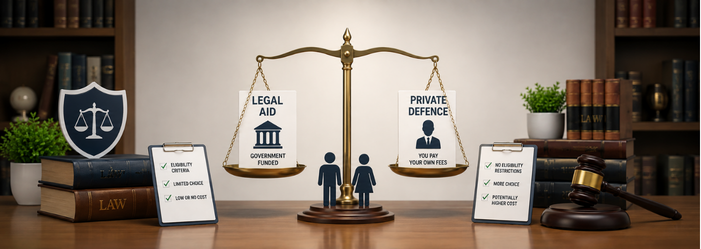
It can, though barriers are real. Money is the obvious one. Disability, language and plain unfamiliarity with the legal system also keep people from asking for help. Legal aid still covers certain cases, such as some domestic abuse, asylum and child protection matters, and the GOV.UK legal aid checker is a sensible first stop.
Beyond that, many firms offer free first chats or take on pro bono work, and charities such as Citizens Advice and law centres fill gaps in local communities. Don't rule yourself out before you've asked.
How Do Different Types of Solicitors Help Protect Human Rights?
Law is a bit like medicine. You wouldn't see a dentist about a broken wrist. Matching your problem to the right specialist saves time, money and a good deal of stress.
How Does a Family Solicitor Protect Children's Rights and Family Relationships?
Family solicitors deal with the moments when home stops feeling safe or settled. That covers divorce, child arrangements and protection from abuse. A court can issue a non-molestation order under the Family Law Act 1996 to keep an abusive person away from you.
Good
family lawyers keep one rule in view, which is that the child's welfare comes first. If you're searching for
solicitors family law advice, look for someone who treats that rule as a starting point and not a slogan.
Immigration and Visa Solicitors for Protecting Migrants' Rights
Immigration rules are famously complex, and one wrong form can cost months. Immigration lawyers can read a refusal letter, explain whether an appeal or review is available and argue that removal would break the right to family life under Article 8 of the European Convention on Human Rights.
A
solicitor for immigration can also guide couples applying for
family visas, such as a spouse or partner visa. These applications ask for detailed proof of income, relationships and housing. Small gaps matter, and a missing payslip has sunk stronger cases than you'd think.
Employment Solicitors for Standing Up Against Workplace Discrimination
Work is where many of us first meet unfair treatment. Employment solicitors step in over harassment, discrimination linked to race, sex, age or disability, unfair dismissal and unpaid wages. They'll tell you what your options are, then pursue the right remedy.
Time limits bite hard here. Most tribunal claims must start within three months less one day, and ACAS early conciliation usually comes first.
Employment lawyers will often say that missing this window is the most avoidable heartbreak in their line of work.
How Can Human Rights and Public Law Solicitors Challenge Unfair Government Decisions?
When a public body gets it wrong, a public law solicitor can ask the High Court to review the decision. This is called judicial review. It isn't an appeal on whether the decision was fair in the ordinary sense. The court looks at whether the body acted lawfully, followed the correct process and respected your rights.
Strict conditions apply, and claims must be brought quickly. It's a tool for misuse of public power, not a second bite at every disagreement.
How Do Criminal Defence Solicitors Protect the Right to a Fair Trial?
Everyone is presumed innocent until proven guilty. A defence solicitor makes that principle real. In England and Wales, anyone held at a police station is entitled to free, independent legal advice, whatever the allegation.
Why does that matter? Because a fair trial protects all of us, including on the day it's someone we know who's accused.
How Can Housing and Community Legal Solicitors Protect People at Risk?
A home is where dignity starts. Solicitors deal with unlawful eviction, unsafe conditions and homelessness duties owed by councils. Landlords can't simply change the locks and tell a tenant to go.
For someone facing the street, a single phone call can mean the difference between a roof and a car park.
How Can Solicitors Help Build Peace Between Communities and Across Borders?
Law's reach doesn't stop at the courtroom door. Settling disputes fairly lowers the temperature, whether it's two neighbours or two nations. Many of the tools involved are surprisingly ordinary, such as negotiation, mediation and careful legal argument.
Legal Professionals Can Resolve Disputes Without Violence
Most conflicts never reach a judge. A good solicitor will often steer clients towards negotiation or mediation first, because agreements people helped shape tend to last. Representation matters too. It means a weaker party isn't steamrollered by a stronger one.
Disagreement is normal. Threats and violence aren't, and legal process is the alternative.
Solicitors Can Fight Discrimination and Protect Minority Communities
The Equality Act 2010 protects people from unlawful treatment because of characteristics such as race, religion, disability and sex. Solicitors turn that protection into action by challenging a discriminatory policy or representing someone at a tribunal.
People who lack political or social power rely on this most. Equal treatment isn't a privilege for them. It's the only shield they have.
What Role Do Lawyers Play in Protecting Human Rights Across National Borders?
Lawyers contribute through refugee cases, cross-border advice, support for international human rights bodies and the careful recording of serious abuses. A UK solicitor's authority, though, is tied to their own jurisdiction. International cases usually involve specialist lawyers, judges, investigators and organisations such as the United Nations.
So no, a high street solicitor can't take any case to any court in the world. But they can be the first link in a longer chain.
Legal Accountability Can Help Societies Recover After War or Conflict
After mass violence, victims often want the same things. They want the truth told, the guilty held to account and some form of repair. Investigations, fair trials, truth-seeking processes and reparations can all play a part.
Accountability is one piece of recovery. Diplomacy, reconciliation and community rebuilding matter just as much.
What Can Solicitors Do to Make Human Rights Protection Stronger Around the World?
Rights only mean something if people defend them, and that job is shared. Solicitors bring legal skill, but they can't do it alone.
How Can Solicitors Support Human Rights Organisations and International Initiatives?
Many give their time through pro bono work, legal research or support for charities and NGOs. Some help document abuses. Others bring strategic cases that can change the law for thousands of people at once, working alongside national and international bodies where appropriate.
How Can Legal Education Help People Recognise and Defend Their Rights?
You can't defend a right you don't know you have. Community workshops, simple language guides, school and university programmes and public awareness campaigns all help people spot a violation and find the right door to knock on.
Why Must Governments, Solicitors and Citizens Work Together to Protect Human Rights?
Each has a different part to play. Solicitors offer expertise. Governments must meet their legal obligations. Institutions must be answerable when things go wrong. And ordinary citizens can promote tolerance and report abuses through proper channels.
How Can Protecting Human Rights Today Create a More Peaceful World Tomorrow?
Protecting human rights isn't something you finish. It's more like tending a garden, and the weeds come back if you stop. Each generation has to defend what the last one won.
Think about what a single good outcome looks like. A worker treated fairly. A child kept safe. A migrant is given a proper hearing. None of them makes headlines, but each one adds a little more trust in the system, and trust is what keeps societies steady.
Peace lasts longest where people know their dignity will be respected and that the law will listen when it isn't.
Conclusion
Good solicitors do more than read statutes. They turn rights from words on paper into outcomes in real lives. Family solicitors protect children, immigration lawyers fight for fair hearings, employment lawyers stand up to unfair bosses, and public law and criminal defence specialists hold power to account. Navi Pillay's career shows where that dedication can lead.
Protecting human rights is more than a legal duty. It's part of building a world where people from every background can live together with dignity and respect.
Do you want to be part of that work? You can start your human rights career with us at Fosters Legal Solicitors Ltd. And if you're facing a challenge with your own rights, whatever form it takes, get in touch. We'll help you find a calmer way through. Visit Fosters Legal to take the first step.
Frequently Asked Questions
How do solicitors protect human rights?
Solicitors protect human rights by advising people on their legal rights, challenging unlawful treatment and representing clients in disputes. Depending on their specialism, they may handle discrimination, family matters, immigration issues, workplace disputes or challenges to public authority decisions. They also help clients seek remedies such as compensation or court orders where the law allows.
Why are human rights important for world peace?
Human rights protect people from discrimination, persecution and abuse. When individuals are treated fairly and can reach justice, communities have peaceful ways to settle grievances. Rights can't prevent every conflict, but they support the equality, accountability and trust that lasting peace depends on.
How can family, immigration and employment solicitors protect human rights?
Family solicitors help protect children's welfare and tackle domestic abuse concerns. Immigration solicitors advise on visa refusals, protection claims and fair procedures. Employment solicitors help workers challenge discrimination, harassment and unfair dismissal. The protections available depend on your circumstances and the law that applies.
Who is Navi Pillay, and why did she win the 2026 Nobel Peace Prize?
Navanethem "Navi" Pillay is a South African jurist and former UN High Commissioner for Human Rights. She won the 2026 Nobel Peace Prize for her efforts to promote peace and international law. Her career includes anti-apartheid legal work, judicial service at the Rwanda tribunal and the International Criminal Court, and leadership at the United Nations.
Can solicitors help protect human rights across international borders?
Yes, to a degree in law. Solicitors can advise on cross-border immigration and refugee matters, support international human rights groups and assist with legal research. Their authority to act or bring proceedings depends on the jurisdiction and the type of case. International cases often need specialist lawyers and bodies.