Why Keeping Your Legal Documents Organised Matters?
Why Keeping Your Legal Documents Organised Matters?

Introduction
Managing your documents isn't exactly thrilling, but taking a moment to organise those important records may help you save both time and stress, especially during difficult times in your life. For citizens in the UK, families and business entrepreneurs, as well as British expats living abroad, the ability to provide clear documentation can significantly influence any meetings you have with solicitors. This will enable the attorney you choose to immediately grasp the circumstances you're in, identify any missing pieces, and deliver accurate counsel throughout.
It could also streamline any complications you're facing with regard to family, employment law or immigration and can be really useful for visa applicants too.
Basically, organised files can smooth the path when facing any sort of legal problem, and they will prove to be most invaluable in key decision-making situations.
Why Organisation Matters
If papers can be found and completed easily, then legal advice can follow quickly. Papers you can’t locate will delay getting advice, submitting an application or bring even more stress to a traumatic situation. Organising legal documents will also minimise mistakes in future.
You can compare the contents of each document by checking names, dates and numbers before you pass them to a solicitor.
But the greatest advantage of organised papers is peace of mind. Knowing where your most valuable legal documents are, in one place and available, is priceless.
What Good Organisation Does?
- It saves your time if documents are needed urgently.
- Reduces anxiety in situations that require legal evidence, such as emergencies or strict deadlines.
- Protects your rights to prevent loss of property by providing easy access to evidence•
- It enables solicitors and barristers to work for you.
Essential Documents To Keep Safe
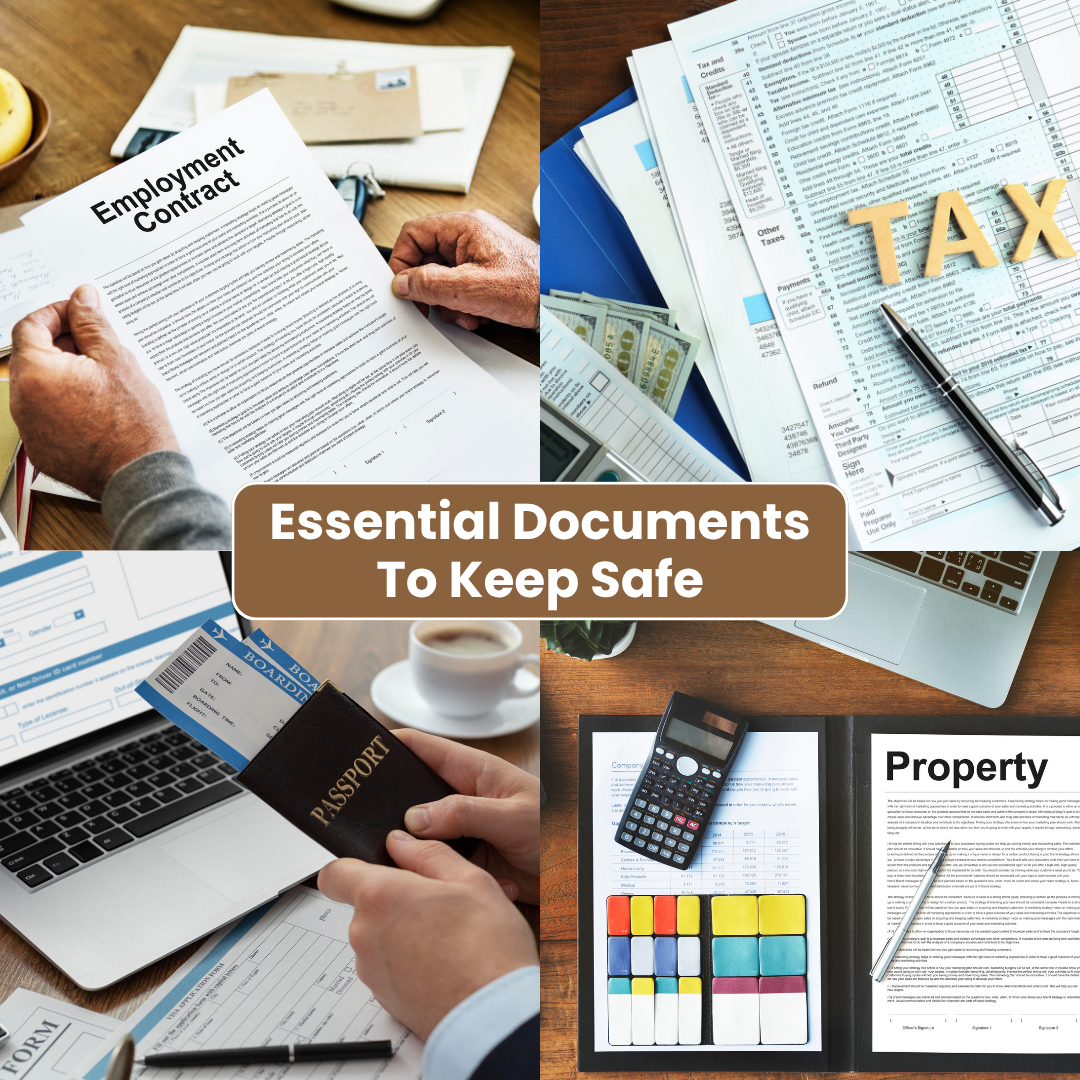
Have a clear system. Avoid last-minute chaos by having essential papers on hand, both paper-based and digitised, where possible.
- Marriage and birth certificates
- Property papers, tenancy agreements, mortgages, and ownership papers
- Passport and driving licence
- Will and Powers of Attorney
- Employment contracts and pay-slips
- Personal loan agreements, mortgage statements, tax documents, bank statements, pension papers
- Personal identity papers: including Home Office documentation for immigration.
How Organised Records Help In Legal Cases
Scenario 1
For those who are going through a divorce, the ease you can find in organised records during the entire process can be substantial. Marriage licenses, bank balances, children’s birth records, and housing documentation can provide your attorneys quick clarity for the circumstances as well as more dependable recommendations. This may save you hours, alleviate concerns, and help family members' dilemmas develop even more easily, especially when you are working with affordable family law solicitors.
Scenario 2
Disputes concerning immigration are normally tied directly to timely evidence and current data. When seeking authorisation to reside in Great Britain, you’re able to provide your own records, with the passport, visa papers, current address documentation, bank slips, along with prior exchanges, and others. For those who keep up with this data in an ordered manner, they could save work for immigration lawyers while assisting to minimise costly hold-ups and slip-ups.
Scenario 3
For many disputes regarding employment situations, solid and irrefutable verification seems essential. When addressing unreasonable termination, income disputes or similar problems involving employment, your legal documentation that may contain employment agreements, pay slips, correspondences to all of those communications along with cautions tends to be particularly valuable. By keeping it all organised, you can easily facilitate an enhanced understanding for your employment solicitors.
Scenario 4
Those visa applications for entering the country can be complicated, and you also have to pay careful awareness of detail. Typically, the files to support the actual application should be able to correspond exactly to your submitted information, which includes proof of identification, transaction documents and earlier records submitted. Supporting records will help the actual visa solicitors quickly evaluate all your documents and work towards stopping postponements and needless difficulties.
Sorting all this helps to avoid mistakes.
Quick Guide To Staying Organised!
The best organising system is the one that you will actually use.
- File documents in individual folders such as Family records, Work papers, Property documents, immigration documents, and financial papers.
- Store copies of everything in a safecloud drive folder or a drive that is password protected.
- Make your filing clear by naming documents with the date they were created.
- Ensure you cross-check expiry dates on your documents – including passport and visa – and any other official correspondence.
Keep and update documents promptly as you receive them.
Mistakes To Avoid
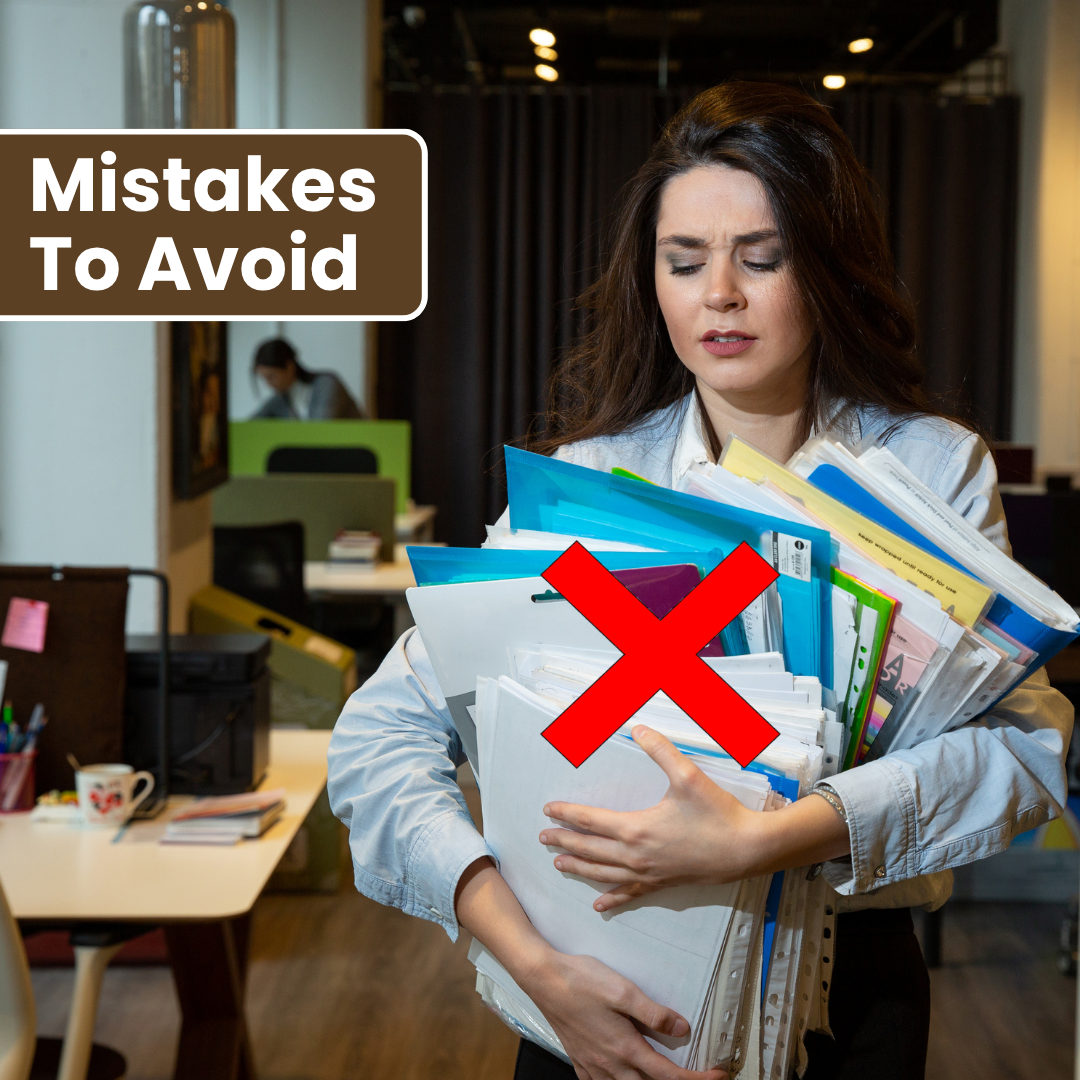
Many people will never realise a particular document has gone missing until it's too late.
- Purging too much information before you are confident the items have long outlived their usefulness.
- Storing all paperwork in one designated location, which can hinder timely access to individual items.
- Not creating digital backups of your documents (papers can be lost or destroyed, but electronic files can always be re-uploaded, re-scanned, etc.).
- Not reviewing outdated documents to determine if they can potentially be used in the future.
- Disparate document elements, including names, addresses, dates, reference numbers, etc.
Conclusion
It is crucial to ensure that all of your legal documentation is organised as and whenever a chance is permitted. Creating this behaviour helps you be relieved of stress, save time and also make life easier for you whenever you will certainly need legal aid. Whether you are in a partnership issue, managing immigration document applications or facing visa concerns and other legal issues, you will be easily reviewed by the law firm, and legal advice will be provided more rapidly. If you need legal assistance, please contact us at
Fosters Legal Solicitors.
Frequently Asked Questions
Why is organising legal documents crucial?
The importance of document organisation saves you a lot of time and avoids all mistakes and delays during complicated legal procedures; it will also help your solicitor to work efficiently for your cause so you can have peace of mind. When can my document be useful during family proceedings: your birth and marriage certificates, your bank statements or other account statements, documents concerning property, papers on child.
Do I need hard copy and digital documents?
Yes. For sensitive and important originals, you will always need the paper document. And digital formats provide you with access wherever you have internet access, allowing for easy sharing and also providing you with an added safeguard by having multiple copies, safe on your computer or backed up into the cloud.
How often should I organise my documents?
Whenever you receive an important new document from your local council, government or legal firm, including a new bank statement, a contract, a bill or any legal document you have received by post or a digital letter you have received.
Also have a good clear-down of papers every couple of months at least.
Can organising documents help my immigration application?
Absolutely yes. Immigrant applications commonly depend on correct documents such as visas and residence permission, passport and evidence of funds, as well as other assets, so having those all at your fingertips.
How long should I keep legal documents?
Well, it varies per the document. For example, tax records should typically be kept for at least a few years.
Records like birth, marriage, and property deeds should be kept for the lifetime.
Wills should always be kept.