
Can You Legally Refuse Hybrid Working? 8 Real Business Reasons
Can You Legally Refuse Hybrid Working? 8 Real Business Reasons

Hybrid working requests are landing on desks more often than ever, and each one carries a quiet expectation to agree. As an employer, you want to support flexibility without risking how your business runs. At the same time, as an employee, you want fair consideration, not a blanket refusal. So, where do you draw the line when hybrid working starts to create friction rather than balance?
This is where clarity matters for both sides. UK law, including the Employment Rights Act 1996 and guidance from Acas, allows employers to refuse hybrid working, but only when there are clear and lawful business reasons.
Understanding this isn’t just helpful, it’s essential. It helps employers make confident, compliant decisions while giving employees a clearer view of what is fair and what can be challenged. This guide breaks down exactly how that balance works in practice
8 Valid Business Reasons for Refusing Hybrid Working

Making the right call on hybrid working is not about preference. It comes down to what your business can realistically support without risk or disruption.
Before you look at the reasons, keep this clear. Employers must rely on legally recognised grounds, not personal opinion. Every decision should be reasonable, backed by evidence, and clearly recorded. That is what protects both sides.
1. When Costs Start Adding Up, Not Saving
- Hybrid working can look cost-effective, but in many cases, it creates extra financial pressure. Businesses often need to fund secure IT systems, duplicate equipment, and ongoing support for remote setups.
- For example, a small firm may end up paying for full office space while also covering home working costs. If the numbers don’t add up and the cost is clear and measurable, refusal becomes a valid step.
2. When Work Can’t Be Reassigned Smoothly
- Some roles depend heavily on team presence and shared responsibilities. If one person works remotely, others may struggle to pick up urgent or physical tasks.
- Think of operations or site-based roles where work cannot shift easily. In such cases, hybrid working can create gaps that affect the entire workflow.
3. When Hiring Extra Support Isn’t Practical
- At times, approving hybrid working means hiring additional staff to fill the gaps. That is not always realistic.
- Many UK businesses already face budget limits and skill shortages. If you cannot recruit the right support without strain, this becomes a strong and defensible reason.
4. When Quality of Work Could Drop
- Certain roles rely on close supervision, quick collaboration, or hands-on delivery. Moving to hybrid working can reduce the level of control needed to maintain quality.
- For instance, client-facing roles or detail-heavy work often require in-person input. If quality risks are clear, employers can rely on this ground confidently.
5. When Team or Individual Performance Suffers
- Performance is not just about output. It includes communication, consistency, and meeting targets.
- If past remote working has shown dips in productivity or delays in coordination, that evidence matters. The key is to base decisions on real data, not assumptions.
6. When Customer Service Takes a Hit
- Some businesses depend on immediate, in-person responses to meet customer expectations.
- In sectors like retail, hospitality, or front-desk roles, hybrid working can slow down service or reduce availability. If it affects how customers are served, refusal is justified.
7. When There’s Simply No Work at Those Hours
- Hybrid working requests often come with specific preferred hours. The issue arises when those hours do not match business demand.
- If there is little or no work during the requested remote periods, the business cannot justify unproductive time. This makes refusal both practical and lawful.
8. When the Business Is Already Changing Direction
- Businesses evolve. Restructuring, expansion, or new ways of working can make hybrid models unsuitable.
- For example, a company shifting towards more in-office collaboration may struggle to support hybrid working in the long term. If plans are clear and documented, this becomes a valid reason.
Before making a final decision, pause and review:
- Have you assessed the hybrid working request fairly?
- Do you have clear, factual business evidence?
- Have you explained your reasons in a simple and direct way?
- Did you respond within the required timeframe?
- Have you considered alternative arrangements where possible?
This quick check helps you stay consistent, transparent, and legally safe.
These reasons provide a solid framework, but applying them correctly is where most decisions often go wrong. In the next section, you’ll see how legal guidance can help you handle hybrid working requests with clarity and avoid unnecessary risk.
How an Employment Law Solicitor Can Help?

Getting hybrid working decisions right is not always straightforward. A small mistake in the process or reasoning can quickly turn into a formal dispute.
This is where an employment law solicitor steps in, not just to fix problems, but to prevent them early and guide both employers and employees with clarity.
1. Making Sure Your Decision Is Legally Sound
A solicitor checks whether your approach to hybrid working follows the rules set under the Employment Rights Act 1996.
- They review if you followed the correct process and timelines.
- They ensure your refusal is based on valid business grounds.
- They help reduce the risk of tribunal claims before they arise.
This step gives you confidence that your decision can stand if questioned.
2. Challenging or Defending the Decision
Not every refusal is as strong as it looks on paper. A solicitor looks closely at the reasoning behind hybrid working decisions.
- They identify weak or unsupported arguments.
- They assess risks under the Equality Act 2010.
- They check if childcare or disability factors have been handled fairly.
This is especially useful where decisions may unintentionally cross into discrimination.
3. Handling Appeals and Internal Disputes
When a hybrid working request is refused, the next step often leads to an appeal or grievance.
- Solicitors help draft clear, professional responses.
- They guide you through internal procedures step by step.
- They ensure every communication is properly documented.
This keeps the process organised and avoids unnecessary escalation.
4. Representing You if Things Escalate
If the issue moves beyond internal discussion, legal support becomes essential.
- An employment lawyer in Peterborough can represent you during ACAS early conciliation.
- They prepare your case if it reaches an employment tribunal.
- They aim to resolve disputes without harming your professional or business reputation.
Early guidance here often prevents long and costly disputes.
5. Protecting Against Legal Risk and Retaliation Claims
After a decision on hybrid working, how you treat the employee matters just as much.
- Solicitors ensure no unfair treatment follows the refusal.
- They guide you on avoiding claims of unfair dismissal or detriment.
- They help maintain fair and consistent workplace practices.
This protects both your position and your working relationships.
A clear legal approach makes hybrid working decisions easier to manage and far less risky. In the final section, we’ll bring everything together and show how to move forward with confidence and clarity.
Common Mistakes Employers Make
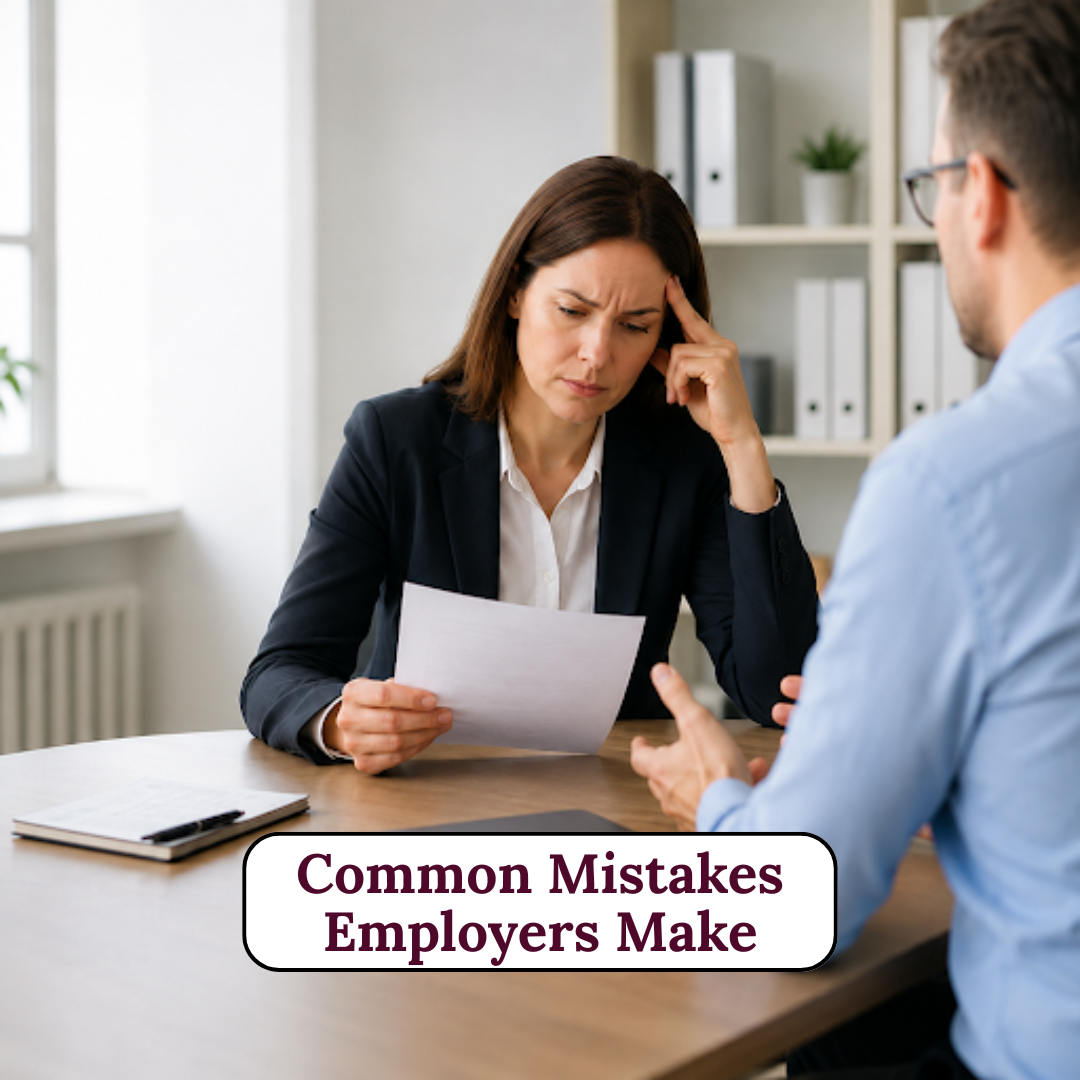
Most issues around hybrid working do not start with the decision itself, but with how it is handled.
- Refusing without evidence: Many employers rely on instinct instead of facts. Always back your decision with clear data, such as cost impact or performance records.
- Using vague or generic reasons: Saying “it won’t work” is not enough. Link your refusal to specific business grounds to stay compliant.
- Ignoring the consultation process: Skipping proper discussion can weaken your position. Take time to review and respond properly.
- Overlooking discrimination risks: Requests linked to childcare or health need careful handling under laws like the Equality Act 2010.
- Poor communication: Unclear or rushed responses often lead to disputes. Keep your explanation simple, direct, and recorded.
Avoiding these mistakes keeps your hybrid working decisions fair, clear, and defensible. Up next, let’s bring everything together and look at the right way to move forward.
Conclusion
By now, it’s clear that refusing hybrid working is not unlawful, but handling it carelessly can quickly create problems. The difference lies in how you assess the request, how you explain your decision, and whether you follow a fair and structured process.
Throughout this guide, we’ve broken down the valid reasons for refusing hybrid working, the common mistakes to avoid, and how the right legal support can keep your decisions clear and defensible. This matters because both employers and employees rely on transparency to maintain trust and avoid unnecessary disputes.
When you approach hybrid working with proper reasoning and clear communication, you protect your business while keeping workplace relationships steady.
If you’re unsure whether your decision stands on solid ground, it’s worth getting it checked, because one misstep can cost far more than the request itself.
Frequently Asked Questions
Do employers need to provide evidence when refusing hybrid working
Yes, decisions must be based on clear, factual evidence rather than assumptions to remain legally defensible.
Can I challenge my employer’s decision on hybrid working?
You can challenge it if the refusal seems unfair, not properly explained, or based on incorrect facts.
Is refusing hybrid working considered discrimination?
It can be, especially if the request relates to childcare or disability and is not handled fairly under the Equality Act 2010
How long does an employer have to respond to a hybrid working request?
Employers must usually respond within a reasonable timeframe, often within two months, including any appeal process.
What should employers do before refusing a hybrid working request?
They should review the request carefully, consult with the employee, assess business impact, and document their reasoning.