How Solicitors Stop Media Coverage From Destroying Your Reputation?
How Solicitors Stop Media Coverage From Destroying Your Reputation?

Imagine seeing your name appear in headlines or social media discussions before any court has heard the facts. In today’s fast-moving news cycle, public opinion can form within hours. Allegations spread quickly, and people often draw conclusions long before legal proceedings even begin. This situation is widely known as trial by media, where commentary, speculation, and viral posts shape a narrative that may not reflect the truth.
For individuals facing investigations or legal disputes, this exposure can damage reputations, careers, and personal relationships. Even if a court later clears someone of wrongdoing, the public impact can be difficult to undo.
This is where experienced solicitors make a crucial difference. At Fosters Legal, legal professionals help clients respond strategically to media pressure. From preventing harmful publications to protecting legal rights,
solicitors ensure that justice depends on evidence rather than headlines.
Let’s begin by looking at how early legal intervention can prevent damaging stories from spreading.
Key Strategies Solicitors use
When legal matters attract media attention, the right legal strategy becomes essential. Solicitors use a combination of legal protections, media management, and reputation defence to ensure that public narratives do not interfere with justice
Pre-Publication and Immediate Intervention

When sensitive information risks reaching the press, timing becomes critical. Solicitors often act quickly to stop or limit publication before serious harm occurs.
1. Preventing Publication
Journalists sometimes approach individuals or their representatives before publishing a story. Solicitors can step in at this stage to review the claims and warn publishers about legal risks if inaccurate or defamatory content appears.
Early intervention often discourages media outlets from releasing misleading or harmful information.
2. Urgent Injunctions
If publication could cause immediate and serious damage, solicitors may seek urgent injunctions from the court. These orders temporarily prevent newspapers, broadcasters, or websites from publishing certain details.
Courts grant such orders when publicity risks harming a fair trial or breaching privacy rights.
3. Letters Before Action
The
trusted
law firm Watford frequently sends formal legal notices called letters before action. These letters warn media organisations that publishing certain allegations could lead to legal proceedings.
Such notices often prompt editors to reconsider or verify information before publication.
Once immediate risks are addressed, attention shifts to protecting the client’s reputation.
Reputation and Crisis Management
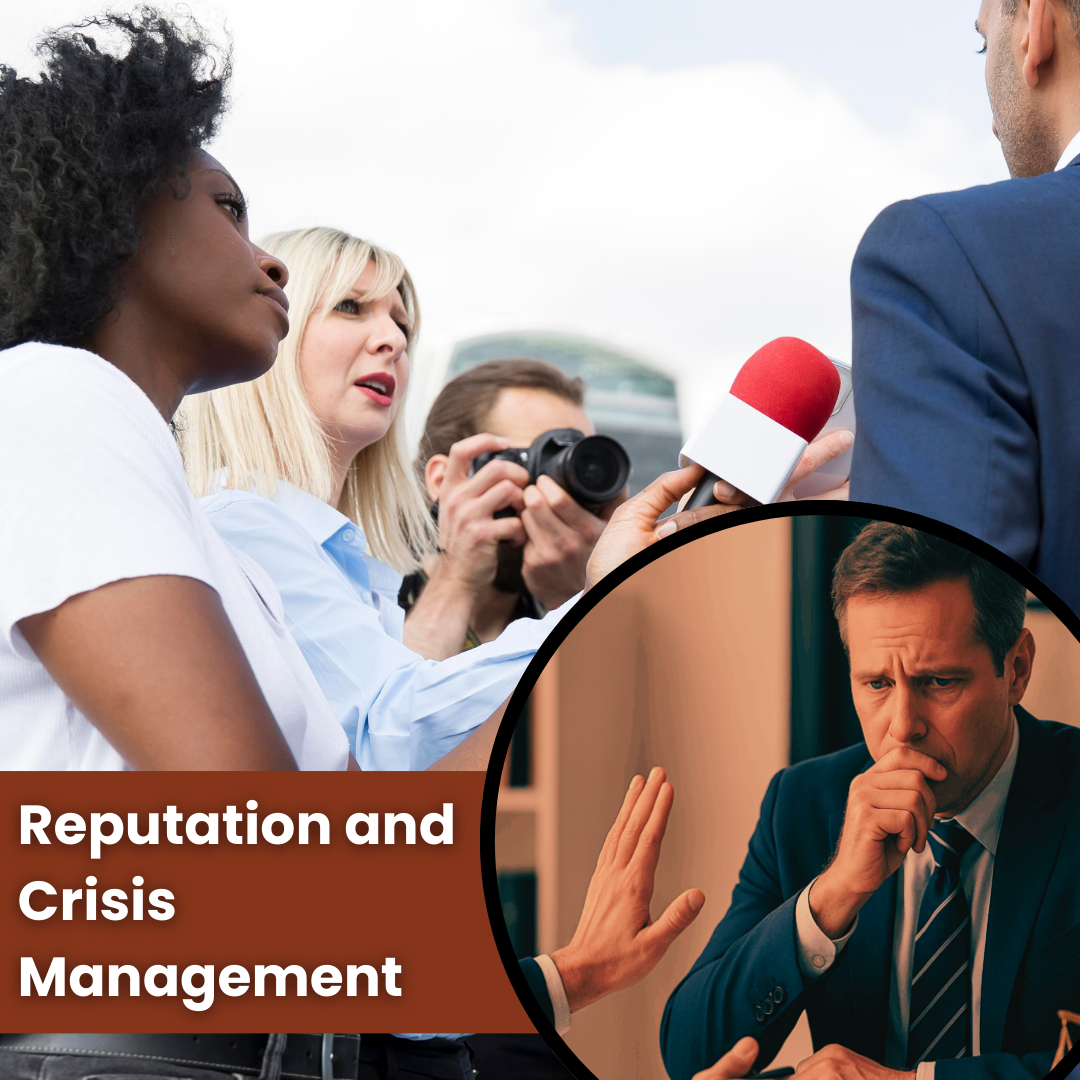
When media attention grows, controlling the narrative becomes essential. Solicitors help manage the situation carefully to prevent long-term reputational damage.
4. Correcting the Record
If inaccurate information spreads, solicitors request corrections, clarifications, or retractions from publishers. These steps ensure that false claims do not continue circulating.
Prompt corrections help limit the impact of misinformation.
5. Protecting the Client’s Professional and Personal Reputation
Media allegations can affect employment opportunities, business partnerships, and personal relationships. Solicitors focus on protecting the client’s standing while ensuring that legal processes remain fair and balanced.
For example, in sensitive family matters such as divorce disputes or child custody cases, a
family law solicitor
may apply for reporting restrictions to prevent the media from publishing details that could harm the family’s reputation or affect the well-being of children involved. By securing these protections, solicitors
help ensure that private family matters remain confidential and are resolved through the legal process rather than public speculation.
Beyond reputation management, several legal safeguards exist to prevent unfair reporting
Legal Protections and Court Action
UK law provides clear protections against media reporting that could prejudice legal proceedings.
6. Contempt of Court Action
Under the Contempt of Court Act 1981, publishers must avoid reporting that could influence jurors or interfere with active cases.
Solicitors monitor coverage closely and challenge reports that risk prejudicing a trial.
7. Reporting Restrictions
Courts may impose reporting restrictions that limit what journalists can publish while proceedings remain ongoing. Solicitors apply for these orders when publicity could compromise fairness.
These measures ensure that the court decides the outcome, not public opinion.
8. Anonymity Applications
In sensitive matters, solicitors may request anonymity orders to prevent individuals from being identified in the media. This protection reduces public pressure and safeguards privacy
Handling Social Media and Digital Content

Online platforms allow information to spread rapidly, sometimes without verification.
9. “Right to be Forgotten”
The Right to be Forgotten (or erasure) under UK GDPR allows individuals to request deletion of personal data if it is no longer necessary, consent is withdrawn, or data is unlawfully processed. It is not absolute and does not apply to legal obligations or public interest, such as journalism or crime. Individuals can request that search engines like Google remove links (delist) to irrelevant or outdated information, particularly for those who have led a blameless life.
Solicitors in Peterborough
can help individuals request the removal of outdated or damaging search results through data protection rights. This process reduces the long-term impact of negative online coverage.
The right does not apply if processing is necessary for freedom of expression, legal claims, public health, or public interest.
10. Combatting Trolls
High-profile cases often attract online harassment. Anonymous users may spread rumours or abusive comments.
Solicitors help clients explore legal remedies or reporting options when online behaviour becomes unlawful or harmful.
Managing High-Profile Investigations

When police investigations attract public attention, legal guidance becomes essential.
11. Pre-charge Advice
For individuals under investigation but not yet charged, solicitors work to stop damaging, premature reporting and advise on what to say to employers or regulatory bodies. Before authorities formally charge someone, solicitors provide advice on handling media enquiries and protecting legal rights.
Early guidance helps avoid statements or actions that could damage the case.
12. Liaising with the Police
Solicitors communicate directly with investigators to ensure procedures remain fair and lawful. This cooperation often prevents misunderstandings that could fuel media speculation.
Alongside investigative support, solicitors also protect fundamental legal rights.
Protecting the Client’s Legal Rights
Media coverage can pressure individuals into responding emotionally or publicly. Solicitors provide clear guidance to avoid these risks.
13. Advising Clients on Public Statements
Legal professionals explain what clients should and should not say publicly while proceedings remain active.
Careful communication prevents statements from being misinterpreted.
14. Monitoring Media Coverage
Solicitors track news reports and online discussions to identify misleading narratives early.
15. Preparing Legal Strategies
Legal teams develop strategies that minimise the impact of public speculation and ensure the case focuses on factual evidence.
Another crucial step involves addressing defamatory reporting.
Managing Defamation and Reputation Risks
Misleading or false reporting can cause long-term harm if left unchallenged.
16. Demanding Corrections
Solicitors contact publishers to request corrections when inaccurate information appears in the media.
17. Removing Harmful Content
Legal teams may ask websites or platforms to remove misleading articles or posts that harm the client’s reputation.
18. Pursuing Defamation Claims
When serious damage occurs, solicitors may initiate legal action under the Defamation Act 2013.
Alongside legal action, careful media communication remains essential.
Advising Clients on Media Interaction
Handling press attention requires a thoughtful and controlled approach.
19. Media Liaison
Legal representatives may speak to journalists on behalf of clients to ensure that accurate information reaches the public.
20. Responsible Online Behaviour
Clients receive guidance on avoiding case-related discussions on social media while proceedings continue.
With the right legal support, individuals can face media scrutiny with confidence.
How Can Fosters Legal Solicitors Help You?

When legal matters attract public attention, the pressure from media coverage can make an already difficult situation feel overwhelming. In such moments, having experienced solicitors who focus on protecting your legal rights and reputation becomes essential.
1. Clear Legal Guidance During Media Pressure
The team explains your rights and options from the very beginning, helping you understand how media coverage may affect your legal position.
2. Strategic Case Planning
Our solicitors design a legal strategy that keeps the focus on evidence and due process rather than public opinion or media narratives. For individuals who have recently moved to the UK or hold a visa status, public allegations can also raise concerns about their immigration position. In such situations, experienced immigration solicitors work alongside the legal team to ensure that your rights, legal status, and future residency are carefully protected while the case proceeds.
3. Discreet and Confidential Legal Support
Sensitive cases require careful handling. The firm works with strict confidentiality to protect your privacy while managing legal proceedings.
4. Experienced Representation in High-profile Matters
When a case attracts public attention, our experienced solicitors ensure that your interests remain protected throughout investigations, hearings, and court proceedings.
5. Strong Courtroom Advocacy
Our legal team represents clients confidently in court, ensuring that arguments rely on facts, evidence, and legal principles rather than external influence.
6. Support Through Complex Legal Processes
Media-sensitive cases often involve complicated procedures. Fosters Legal Solicitors guide clients step by step, making the process easier to understand and manage.
7. Protection of Long-term Reputation
Beyond the immediate case, our firm focuses on safeguarding your professional and personal reputation to minimise lasting damage.
8. Client-focused Communication
Solicitors keep clients informed at every stage, explaining developments clearly and helping them make informed decisions during challenging situations.
Conclusion
Trial by media can place immense pressure on individuals involved in legal disputes. Headlines and online commentary often spread quickly, shaping public opinion before courts have examined the facts.
Solicitors play a vital role in protecting individuals from this risk. They intervene before damaging stories appear, challenge inaccurate reporting, secure legal protections, and guide clients through media scrutiny. Their work ensures that legal proceedings rely on evidence rather than speculation.
At
Fosters Legal Solicitors, experienced solicitors support clients facing intense public attention with discretion and professionalism. Their focus remains clear: protect reputations, safeguard legal rights, and ensure that justice takes place in the courtroom, not in the headlines.
Frequently Asked Questions
What does 'trial by media' mean?
Trial by media occurs when news outlets or social platforms present someone as guilty or responsible before a court decides the case.
Can solicitors stop harmful news reports?
In certain circumstances, solicitors may request injunctions, demand corrections, or challenge publications that could prejudice a legal case.
What laws protect individuals from unfair media coverage in the UK?
Laws such as the Contempt of Court Act 1981 and the Defamation Act 2013 help protect individuals from prejudicial or defamatory reporting
Can damaging online content be removed?
Yes. Solicitors may request removal of defamatory material, pursue legal claims, or help individuals exercise data protection rights to reduce online reputational harm
When should someone contact a solicitor about media attention?
It is best to seek legal advice as soon as journalists request comments or when a legal matter begins attracting public attention. Early action often prevents serious reputational damage.